
The Power of the Empty Frame: A Guide to Minimalist Photography
In a culture dominated by sensory overload, the most arresting images are often those that whisper rather than shout.
Minimalism in photography is far more than a stylistic trick or a blank canvas. It is a conscious act of editing reality in real-time, stripping away the chaotic background noise of the world so your viewer can connect deeply with a single, unadulterated moment. When you master the art of restriction, you transform your camera from a tool that records everything into a tool that highlights what truly matters.
Here is how to cultivate a reductive eye and breathe new life into your portfolio.
1. Pinpoint Your Singular Anchor
A minimalist image requires a definitive anchor point—one undeniable element that commands the entire frame. Before clicking the shutter, ask yourself exactly what narrative you are trying to isolate.
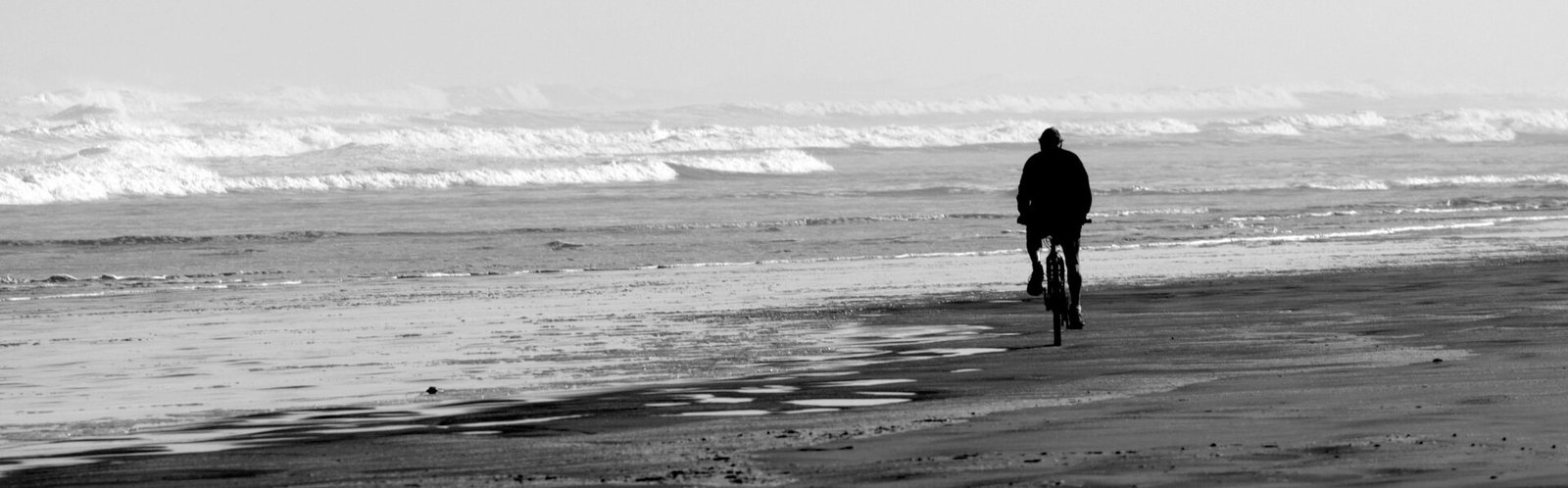
• The Solitary Anchor: Dedicate your frame to a lone silhouette, a single skeletal tree, or a sharp, intersecting architectural edge.
• Create Distance: Deliberately position your subject away from competing textures or moving elements that threaten to dilute its impact.
2. Treat Negative Space as a Material
Negative space is not empty air; it is a structural element that gives your subject weight and breathing room. It creates scale, shifts atmospheric moods, and commands attention through absence.
• The Scale Shift: Try devoting three-quarters of your composition to uniform textures—like a seamless sky, a raw concrete wall, or still water—leaving a tiny fraction for your subject.
• Atmospheric Moods: Use vast expanses of emptiness to evoke feelings of profound stillness, melancholic isolation, or cinematic scale.
3. Build a Geometric Framework
When you remove the clutter of a scene, the underlying geometry of the world takes center stage. Look past the objects themselves and start seeing the environment as a collection of shapes and pathways.
• Visual Runways: Leverage a lone highway, a receding fence line, or a dramatic shadow to slice through the frame and pull the viewer’s eye right to your focal point.
• Graphic Balance: Lean into absolute symmetry by centering your subject to construct an intentional sense of order, gravity, and calm.
4. Direct the Narrative with Colour
An uncontrolled explosion of colour can fragment a viewer’s attention. By narrowing your palette down to its essentials, you dictate the exact emotional temperature of the photograph.
• Tonal Harmony: Immerse your frame in shades of a single hue, like the layered, moody greys of a foggy morning or the warm amber of golden hour.
• Textural Contrast: Strip away color entirely to let harsh shadows, raw textures, and stark forms do the storytelling.
• The Focal Shock: Place a single, vividly saturated detail against a completely muted or neutral backdrop to instantly lock the viewer’s gaze.
5. Weaponize Lighting and Exposure
Light is the ultimate tool for carving out form while hiding unnecessary details. You can use exposure dynamically to simplify even the busiest environments.
• Blinded by Light (High-Key): Push your exposure to intentionally bleach out the background, turning a messy sky or wall into a pristine sheet of white paper.
• Hidden in Shadows (Low-Key): Let heavy shadows swallow up surrounding clutter, exposing only the essential, illuminated edge of your subject.
The Minimalist Mindset
Minimalist photography is an exercise in quiet patience. It challenges you to resist the urge to fill every corner of your viewfinder. Instead of scanning a scene for elements to add, train your eyes to strip away the background static until only the core truth of the moment remains. Next time you lift your camera, remember that your power lies not in how much you capture, but in how much you choose to leave untouched.