
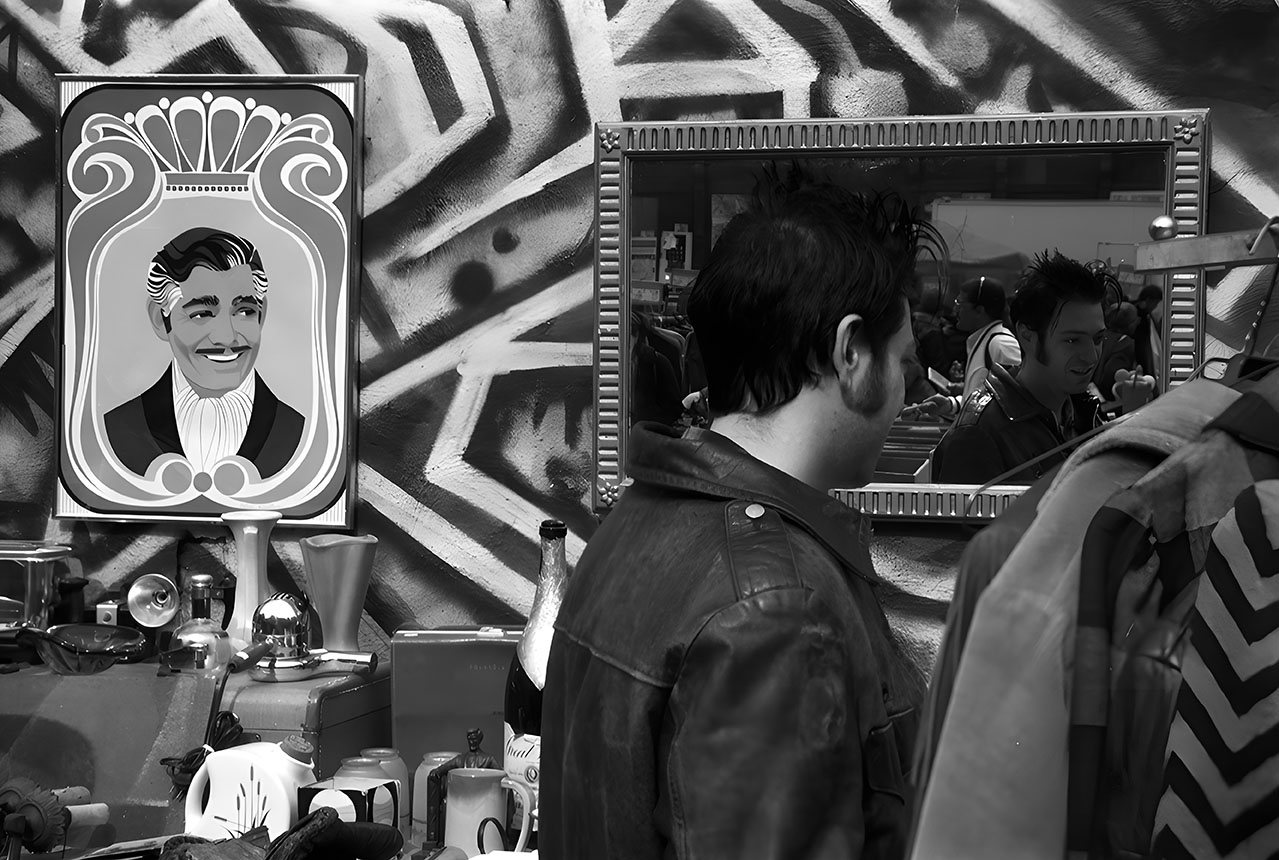
Basic Rules on How to Capture Authentic Documentary Photography Stories
Documentary photography is more than just taking pictures. It is about storytelling, human connection, and preserving real moments in time. Whether you are documenting a local community or traveling across the world, mastering this craft requires a blend of technical readiness and emotional intelligence.
Here are the essential rules to help you capture compelling, authentic documentary stories.
1. Do Your Homework
Great documentary work starts long before you press the shutter button.
• Research your subject: Understand the history, culture, and context of what you are shooting.
• Dress appropriately: Blend into your environment so you do not distract your subjects or stand out as an outsider.
• Prepare for the worst: Always pack extra memory cards, film, and batteries. Missing a crucial moment due to a dead battery is entirely preventable.
2. Connect Before You Capture
The camera can easily feel like a wall between you and the person you are photographing. Your job is to break that wall down.
• Ask for permission: Respect your subjects by asking to take their photo, which builds immediate trust.
• Talk to people: Chat with your subjects to make them feel relaxed and comfortable around you.
• Study the masters: Watch professional photographers at work to see how they navigate social dynamics in the field.
3. Master the Visual Narrative
A good story needs structure. To build a complete visual narrative, you need to vary your shots and keep shooting.
• Get the overview: Start with wide shots to establish the setting and give context to your story.
• Move your feet: Constantly change your point of view and shoot from different locations and angles.
• Do not hesitate: Shoot a lot of frames. Moments pass in a split second, and digital space is cheap.
4. Master the Field Environment
To truly get the best out of your shoot, you must adapt your physical presence and logistics to the location.
• Dress appropriately: Choose clothing that helps you fade into the background. Avoid bright colors or flashy brands that attract unnecessary attention, and always opt for quiet, comfortable footwear.
• Do not hesitate to shoot a lot: Capturing raw human emotion relies on timing. Keep your finger on the shutter and take multiple frames of a single scene; you can always delete the misfires during editing.
• Always carry extra gear: Never leave your accommodation without double the amount of memory cards, film rolls, and batteries you think you will need. A perfect moment means nothing if your equipment dies.
The Final Frame
Documentary photography is a privilege. By respecting your subjects, staying prepared, and pushing your creative angles, you can move past simple snapshots and create images that truly resonate.