
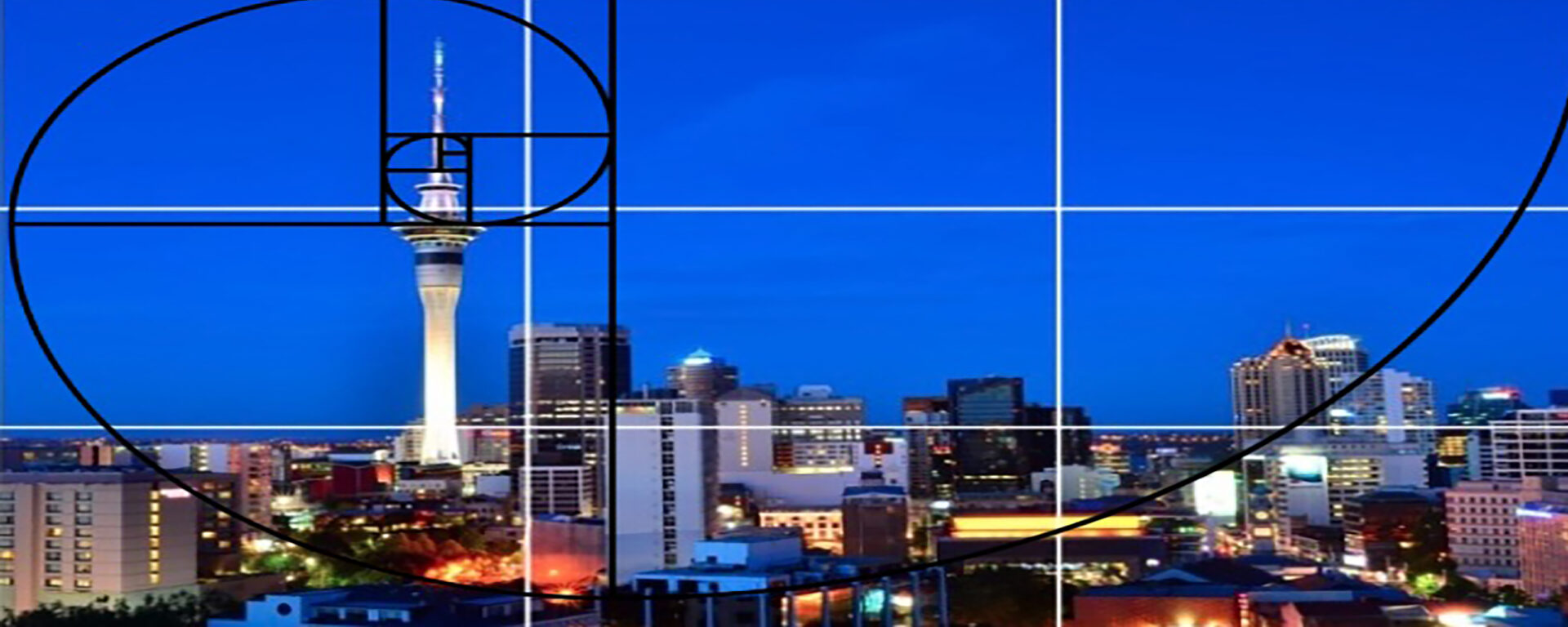
The Six Principles to Master Composition
1. Figure / Ground (Subject & Background)
The viewer’s attention shifts between the subject (figure) and the background (ground)
Strong images clearly separate the subject from the background
Key Idea:
Make your subject stand out clearly
Ask Yourself:
What is my main subject?
Does it stand out from the background?
Photo Example:
Silhouette or subject against a bright/light background
2. Similarity
We naturally group elements that look similar
Repetition of shape, color, tone, or texture creates visual harmony
Key Idea:
Repetition creates rhythm and unity (like music)
Ask Yourself:
Are there repeating shapes or colors?
How do they work together visually?
Photo Example:
Repeated objects (e.g., spices in a market)
3. Proximity
Objects that are close together are seen as a group
Distance between elements affects how we interpret them
Key Idea:
Spacing controls how elements are connected
Ask Yourself:
Which elements feel grouped together?
How does spacing change the meaning?
Photo Example:
Rows of similar buildings (e.g., terraces or beach huts)
4. Closure
The brain fills in missing parts to complete shapes or patterns
We see a whole even when parts are incomplete
Key Idea:
Implied shapes can be more powerful than obvious ones
Ask Yourself:
Is anything partially hidden but still recognizable?
Can the viewer “complete” the image?
Photo Example:
Patterns like zebra stripes or partially hidden subjects
5. Continuity (Leading Lines)
The eye follows lines, curves, or shapes through an image
These guide the viewer’s attention
Key Idea:
Use lines to lead the viewer to your subject
Ask Yourself:
Where do the lines lead the eye?
Do they guide attention to the main subject?
Photo Example:
Roads, paths, or lines leading toward a subject
6. Symmetry
We are naturally drawn to balance and order
Symmetry creates a sense of harmony and stability
Key Idea:
Balanced images feel calm and structured
Ask Yourself:
Is the image balanced?
Can symmetry strengthen the composition?
Photo Example:
Symmetrical street scenes or reflections
Key Takeaway
Strong composition guides the viewer’s eye and creates meaning through visual structure.