
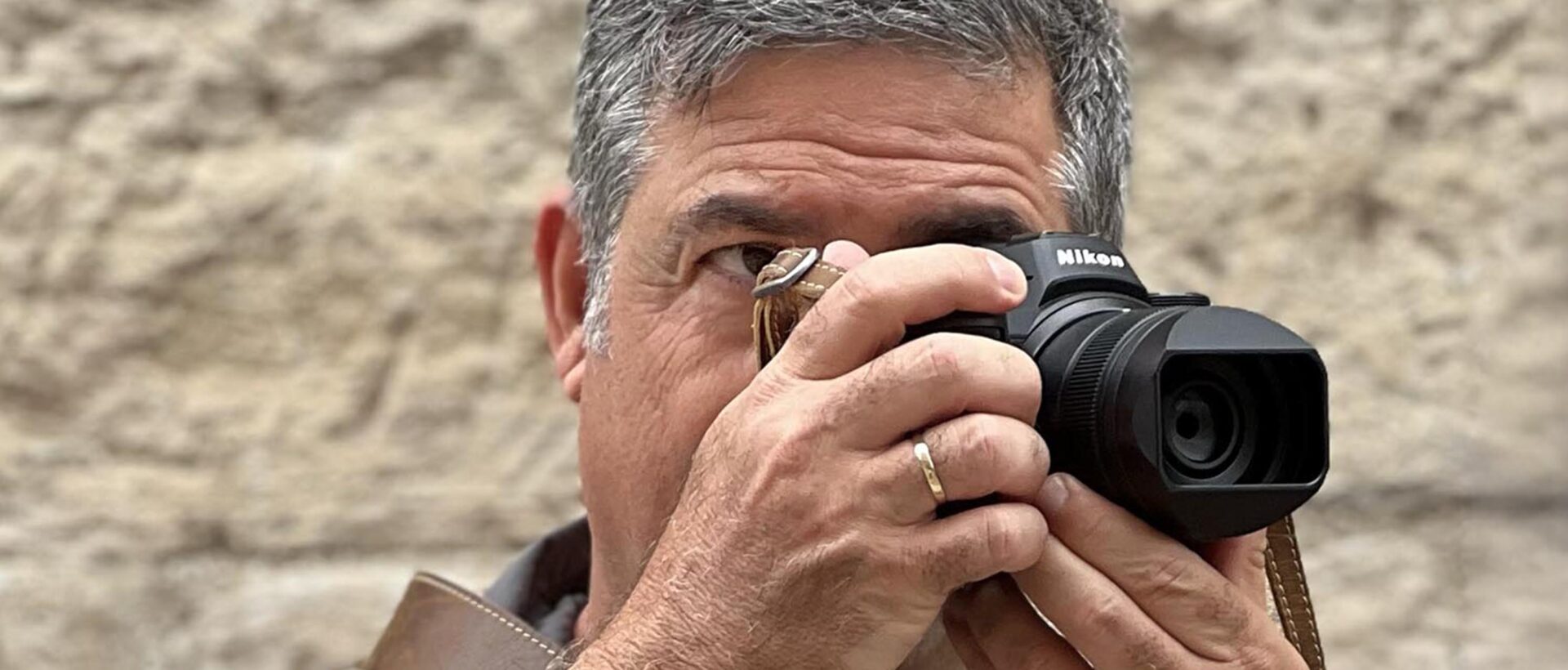
Tips on how to develop your photographic vision
Developing your “photographic eye” involves active observation, deliberate practice, and experimentation to see the world in terms of light, composition, and narrative. You can improve by regularly looking for photo opportunities in daily life, practicing different perspectives, studying light, and intentionally challenging yourself with new subjects or limitations.
Practice active observation
• Look for photographic opportunities: Go for walks and consciously look for potential subjects, paying attention to what you normally ignore.
• Re-examine familiar places: Visit the same location over time to see how light, weather, and seasons change the scene.
• Study light: Pay close attention to how light creates mood and texture. Observe how it changes throughout the day and experiment with side lighting, backlighting, and shooting in diffused light.
• Seek out patterns: Look for natural or man-made lines that can enhance perspective and composition, such as a row of trees or a street.
•Deliberately practice shooting
• Shoot consistently: Make time for photography regularly, even for short periods. The more you shoot, the more you will train your eye.
• Challenge yourself: Shoot the same simple object from multiple angles or get on the ground to shoot from a low viewpoint to see it differently.
• Use constraints: Try a photo walk with a specific limitation, like a time limit or a small radius to shoot within, to force creative problem-solving.
• Experiment with themes: Pick a theme, such as a specific color or emotion, and create a series of photos to explore how to photograph it.
• Try new genres: If you usually shoot portraits, try architecture. If you shoot landscapes, try macro photography. This keeps your vision fresh and sharpens your skills.
•Learn from analysis and analysis
• Review your work: Go back through your photos and analyze them based on elements like theme, light, or style to identify what works and what doesn’t.
• Study other photographers: Look at the work of other photographers and think about their artistic process and why certain images are compelling.
• Consider composition rules, then break them: Understand fundamental concepts like the rule of thirds, but don’t let them trap you into making the same, predictable compositions. Abandoning rules can open up new possibilities.