
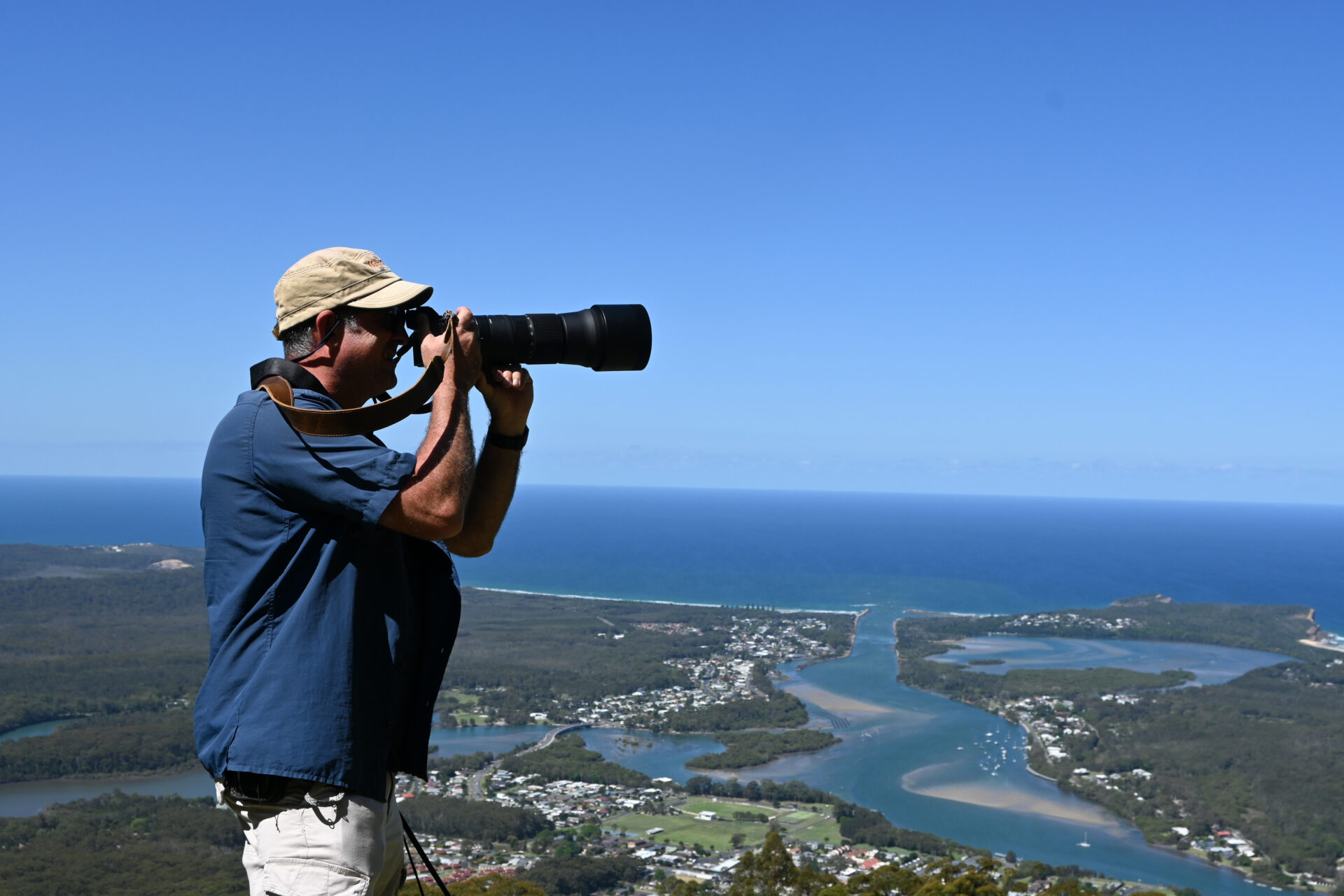
Have you ever wonder how to start stock photography ?
Well to answer the question you will need first to understand what it mean first. Stock photography refers to per-existing photos that are available for licensing, allowing individuals and businesses to use them in various projects without needing to hire a photographer or conduct their own photoshoot. These images are typically offered by stock agencies or individual photographers and can be used for commercial, editorial, or personal purposes.
You might think that all stock photos are comprised of pictures of distant exotic places when in actually, a lot of stock photos have been created close to home.
Stock photography is a big business it supplies the great share of images for editorial, public relations, websites, graphic design, greeting cards and calendar market. And to a leaser extent also to the advertising market.
Stock photography is more than just taking pictures and waiting for it to be found. Actually stock photos are viewed by a wide range of individuals and organizations, including designers, marketers, publishers, and business owners, who buy them and than use them for various purposes such as book , newspapers and magazines publications, website design, advertising, and social media content. They are a versatile resource used across many industries and media formats. In light of this, here is a summery what it takes to get into the business of stock photography.
> Create image catalogue
If you are an enthusiastic photographer begin by shooting images locally or when you travel.Take a good look at the type of pictures that have been published in your area of interest, and develop an eye for stock. Don’t simply copy the pictures you see, but take note of the subject matter and create images with your own style. Variety is important, but if you can’t travel far and wide, be sure to cover your subjects in depth. If you are a professional photographer that already have a large picture file, edit your present images with an eye on what is being used in the market.
> Give Image Context
Learn how to wright a good caption to describe your image. Be as specific to the image as possible and add the most important keywords to describe it in search engines.
Regardless of whether you will be marketing your photography work yourself online or through a photo agency, you will have to caption your images. It’s a proven fact that proper captioning results in an increase of at least 50% in picture sales. The caption first and foremost tells researchers what they’ re looking at. Though some images will be obvious, those of regional attractions, or specific animals or plants will need identification. In addition, your caption must include a copyright notice, which protects you from unlawful use of your image. Many captioning programs make the job easier, but it’s still a big effort, and an absolute necessity in this business.
> Have a Portfolio
Create a portfolio for each and every specific market in which you think your work will sell. For example, make one portfolio for calendars market and one for the travel market. You might even hone your portfolios to specific areas of interest, such as hiking, sailing, or fitness. To get accepted by a stock agency, focus on building a strong portfolio, understanding the agency’s needs, and submitting high-quality, unique images. Research different agencies to find one that aligns with your style and target market. Ensure your images are technically sound, creatively composed, and relevant to the agency’s requirements. Show your best work, and keep it simple. You don’t have to show hundreds of images (unless asked to do so); most buyers and photo editors have limited time and can judge your qualifications from 30-60 images.
> Submit your images
First, select a reputable agency and create a contributor account then, upload your high-quality images, ensuring they meet the agency’s technical requirements and content guidelines. Finally, submit your images for review, and once approved, they will be available for licensing. Getty Images, Adobe Stock, and Shutterstock are leading platforms for stock photography, videography, and other visual content. They offer a wide range of high-quality, royalty-free assets for creative projects, catering to diverse needs from marketing and design to editorial and more. Try to submit new photos on a regular basis The faster you will create your portfolio the more revenue you will receive.There is a strong correlation between the number of photos in a stock photography portfolio and the potential for higher income. A larger portfolio increases the chances of sales, but consistent, high-quality uploads are also crucial for success.
> Data
Information is key to succeeding in stock, and timeliness can make the difference between making a sale or missing an opportunity. Try to help potential buyers and photo editors to find the particular images that fit his or her need.
> Be Patient
Rejection is a part of this game, and you will need a strong sense of self-worth that isn’t easily shaken by external criticism or setbacks. While some photographers may experience a sudden surge in popularity, this is usually the result of years of persistent effort, skill development, and networking behind the scenes. Building a successful freelance photography career involves a combination of talent, business acumen, and resilience in the face of rejection.
> Be Persistent
Once you have begun the process, you will realize that it takes continual effort to keep the momentum going. Perhaps you will think about approaching a stock agency, or expanding your potential client list. Whatever you do, keep in mind that stock photography demands continual shooting, file updating, and commitment. While all this may seem daunting, you can’t begin without taking the first step. How many times have you seen picture spreads in a newspaper or magazines and thought, “I have better pictures than that?” Why weren’t your shots chosen? In many cases, the other photographer was in the right place at the right time with the pictures the buyer needed. Keep shooting what interesting you and learn from your mistakes. Capture high quality meaningful images with timeless feeling. The goal is to create images that evoke emotion and intrigue, rather than simply documenting a scene. There’s lots of competition in stock photography, and you have to keep working to break into the game. Keep in mind that if stock photography is only part of your photographic endeavors, it shouldn’t be allowed to overwhelm your other creative interests. Keep it in perspective, manage your time well, and you may be on the road to sharing in the big market that stock picture sales represents.